Monday, November 1, 2010

Celebremos la cultura hispana Lección 5

PAN DE MUERTO:


(sofia.nomadlife.org)

CALAVAREZ DE AZÚCAR:


(www.trekearth.com)

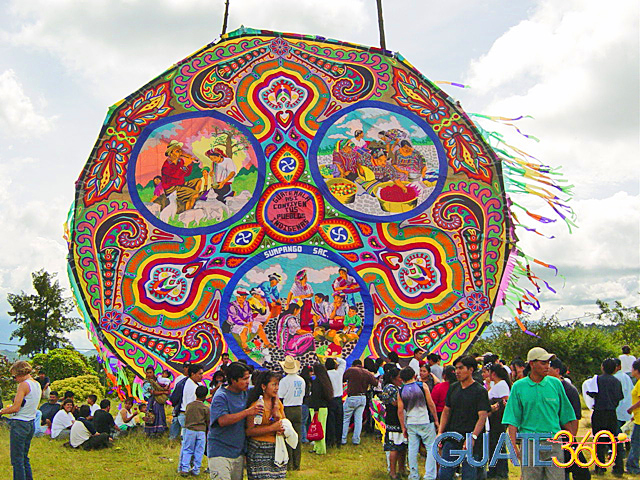
BARRILETE GIGANTE:

(guate360.com)

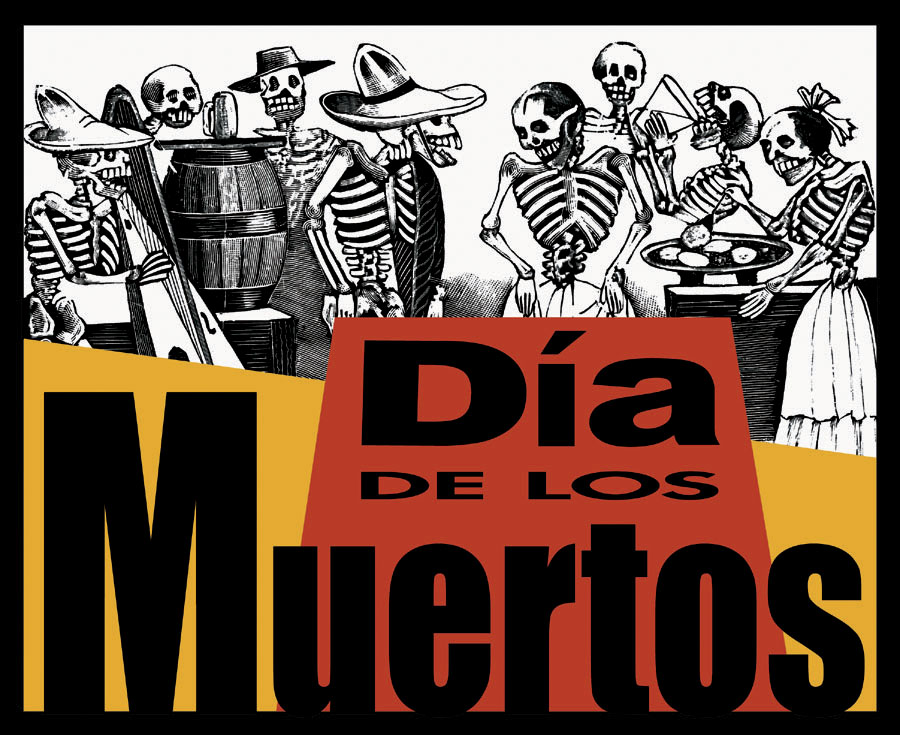
I saw things like the photos posted above at the El Día de los Muertos in the library today.  At 8:00 I went to Chao Auditorium and watched the movie Marcarío and really enjoyed it.  Even though it ended kind of sad, I enjoyed the message behind it and the fact that it tied into everything we've been learning during Celebremos.  One of the questions on our worksheet was how did the movie relate to our group work.  Besides the fact that my group made some sugar skulls to put out for display, the whole moral of the movie/plot line was how Marcarío accepted the fact that we are born to die and that life is not always easy as well as accepting that death is another path that everyone must take and to not fear it.  Which is exactly what the Mexican understanding of death is and exactly was El Día de los Muertos is all about.  Listening to the movie in Spanish (even though there were English subtitles) was great as well.  I did my best to ignore the subtitles and see how many words and phrases I could pick out.

One of my favorite things was looking at all the different altars that some of the Latin groups around campus put together.  Reading about the figures that were being honored was another great way to learn about the culture and it really sucked me in.  The only thing (and maybe this was there and I overlooked it) (it's possible seeing as there was so much to look at) that I wish had been there was an explanation of the significance of the huge kites that were hung all over the library.  Each was very colorful and unique and I never got bored looking at them.  And one of these days I am going to bake myself a loaf of pan de muerto and see if it's as good as it really looks. 

Thursday, October 28, 2010

Celebremos la cultura hispana Lección 4

When it comes to understanding new cultures, learning about their celebrations is a good way to not only understand different cultures, but to ultimately appreciate them as well.  And if you look close enough and think about it deeply enough, you'll find that a lot of celebrations are very similiar to one another.    


(sodahead.com)

When I first learned about El Día de los Muertos (November 1st and 2nd) I was a little freaked out about what I was seeing.  It seemed strange and weird that people would put food, water, and tequila for spirits visiting the Earth.  I couldn't understand the altars or why people were running around the streets dressed up as skeletons.  Similiar to our Halloween (October 31st), the days that these holidays are celebrated are days that each culture believes the dead can return to the Earth.  For Mexicans, it's a day to celebrate the dead/spirits of loved ones.  This showed me that this culture would rather celebrate death instead of fearing it or mourning the loved ones that have passed.  It helps them to see death as another form of life.  In New Orleans, they do something similiar to El Día de los Muertos.  The people there have something called a "wake" instead of a funeral when a loved one passes on.  Instead of mourning, they celebrate that persons life with music and dancing. 

I think learning about the types of holidays and celebrations in a culture will lead to the finding of similiarities between the cultures.  Once this happens and people see that others around the world are like them in a certain way, we can try to learn to be more appreciative to those that are different from us.  It's something to tie us all together. 


(sparkenthusiasm.com)

Both the ancient Aztecs and Mexicans believe that death should not be feared, but embraced and celebrated.  The Aztecs believed that where you ended up in the afterlife did not depend on the paths you chose in life, but the journey you take once you have died.  Human sacrifice was apart of everyday life with the Aztecs.  It was one of the ways that they celebrated death and the human body.  On one of the videos posted on Blackboard, I remember hearing that during the battles fought between the Aztecs and the Spanish, the Aztec warriors were not killing to simply kill and gain land/gold.  They believed that battle was a waste of the human body.  As stated before in this blog, the Aztec celebration of death is still carried on through the Mexican celebration of El Día de los Muertos.  But this holiday is not the only day that the dead and death are honored.  Mexicans carry this through everyday life.  They treat death like they do the birth of a baby.  It's a phase of life that is not to be feared.


(blogs.dixcdn.com)

On a side note, I loved learning about how the foundations for modern day Mexico are right on top of ancient Aztec foundations.  It's a fantastic mental image to think about the past culture being right underneath the present culture (in the physical sense not only the traditional).  Being the history buff that I am, I also loved hearing about how they are still to this day digging up old temples, building, statues, and art that have been right underneath them for centuries.  It goes to further show how huge this society really was.


(richardwillisuk.wordpress.com)

Thursday, October 21, 2010

Celebremos la cultura hispana Lección 3

So far I've talked about the foods that are associated with El Día de los Muertos.  There are a few drinks that are apart of this Mexican tradition.  First of all, water is very important to each altar that families make for the deceased loved one.  The water is set out onto the altar because the traveling soul has crossed a long distance to make it back to Earth and is very thirsty.  The living, however, drink tequila to celebrate this holiday as well as another drink called "atole" (http://www.azcentral.com/).  Atole is "an ancient drink made from corn meal and water and flavored with various fruits" (http://www.azcentral.com/). 

We've read two poems written the Chilean poet Pablo Neruda.  Oda a la alcachofa and Oda al vino take food and drink and personify them.  Which is something I've always enjoyed finding in the poems I read.  To me, that shows a lot a creativity on the writer's part.  For example, taking an artichoke and comparing it to a warrior because of the tough exterior and soft interior.  Or refering to a wine's color or texture as "smooth like a golden sword".  I never would have been those connections when looking at these types of things.  I like his writing style as well.  It flows nicely.

I was planning on sending out a mass e-mail to my group members to confirm that we are still meeting this Sunday evening as originally planned to bake our Pan de Muerto early.  Sunday seems to be the only time we can meet because all of our school and works schedules are very different.  We decided it would be best to meet Sunday and bake the Pan de Muerto a week early so that we know we have our project done in time for the Monday due date the following week.  I was also going to suggest that we assign each group member certain materials and ingredients to bring to our meeting place (whereever it is) so that each person has a fair share in the preparation. 

Thursday, October 14, 2010

Celebremos la cultura hispana Lección 2

My group has decided to get together and bake up some Pan de Muerto.  We haven't had to much time to really sit down together and discuss exactly what we are going to do and decide who is responsible for what, though I'm sure we'll follow a recipe very close to this one:

Ingredientes:
5- 6 tazas de harina
½ taza de azúcar
2 paquetes de levadura seca
1 cucharadita de sal
1 cucharadita de semillas de anís
½ taza de leche
½ taza de agua
½ taza de mantequilla
4 huevos

  1. Mezclar 1 ½ tazas de harina, la levadura, sal, anís y azúcar.
  2. Calentar la leche, agua y mantequilla.
  3. Combinar el líquido con las ingredientes secos.
  4. Mezclar con los huevos.
  5. Añadir el resto de la harina para hacer una masa blanda.
  6. Amasar para 10 minutos.
  7. Cubrir y poner la masa a crecer por una hora y media.
  8. Formar la masa en un círculo y decorar con huesos de masa.
  9. Poner la masa a crecer por hora otra vez.
  10. Calentar el horno a 350º F. Cocinar para 40 minutos.
Decorar con azúcar.

We do know that we are getting together on the Sunday evening the week that our project is due to bake the bread.  I think it's important that we do this as a group because Spanish families make their altars for their loved ones together and decorate and celebrate together.  It seems like it would take away some of the culture behind baking the bread if we were to do this individually.

I really enjoyed watching the videos posted on Blackboard (mainly the one concerning the Aztecs).  My favorite part was probably seeing all the stone scultpures and art that they made along with the very beginning of the video when they were discussing the structures around their empire that they built.  It was amusing and interesting to me to hear that it has been documented that these cities were apparently very clean for that time.  The one part of the video that I had a hard time with was hearing about the human sacrifices and how they would wear the skin of their vicitims.  Graphic, yet still interesting in a strange way.
Aztec Art:


(aztecartandmore.com)


El Dia de los Muertos  has an important influence on Mexican culture because, in my mind, it really signifies what that culture seems to be about.  The importance of family, a great love of food (which is why they leave the family member's favorite foods all over the altars), and celebrating and enjoying life whether it's here on Earth or in the afterlife.  That's what this holiday is all about.  Celebrating life after death.

Thursday, October 7, 2010

Celebremos la cultura hispana Lección 1

The Spanish equivalent to our Halloween is a holiday called El Día de los Muertos.  Pan de Muerto and Calaveras de Azúcar are two foods that are traditionally eaten for this holiday.  Pan de Muerto (or "Bread of Dead Ones") is a slightly sweet, bun shaped bread that is eaten at the grave of loved ones on El Día de los Muertos. It is important to the holiday because the bread is supposed to offer nourishment to the soul of those that have passed (http://www.houstonculture.org/).  Calaveras de Azúcar are sugar-coated, skull shaped candies that can not only be eaten, but are used to decorate the altars Spanish families prepare for deceased loved ones.  These skulled candies are not only decorations, but a symbol of love from the living family members and friends.

Pan de Puerto


Calaveras de Azúcar:


Photo References:
recipes.howstuffworks.com (Pan de Muerto)
travel.webshots.com (Calaveras de Azúcar)